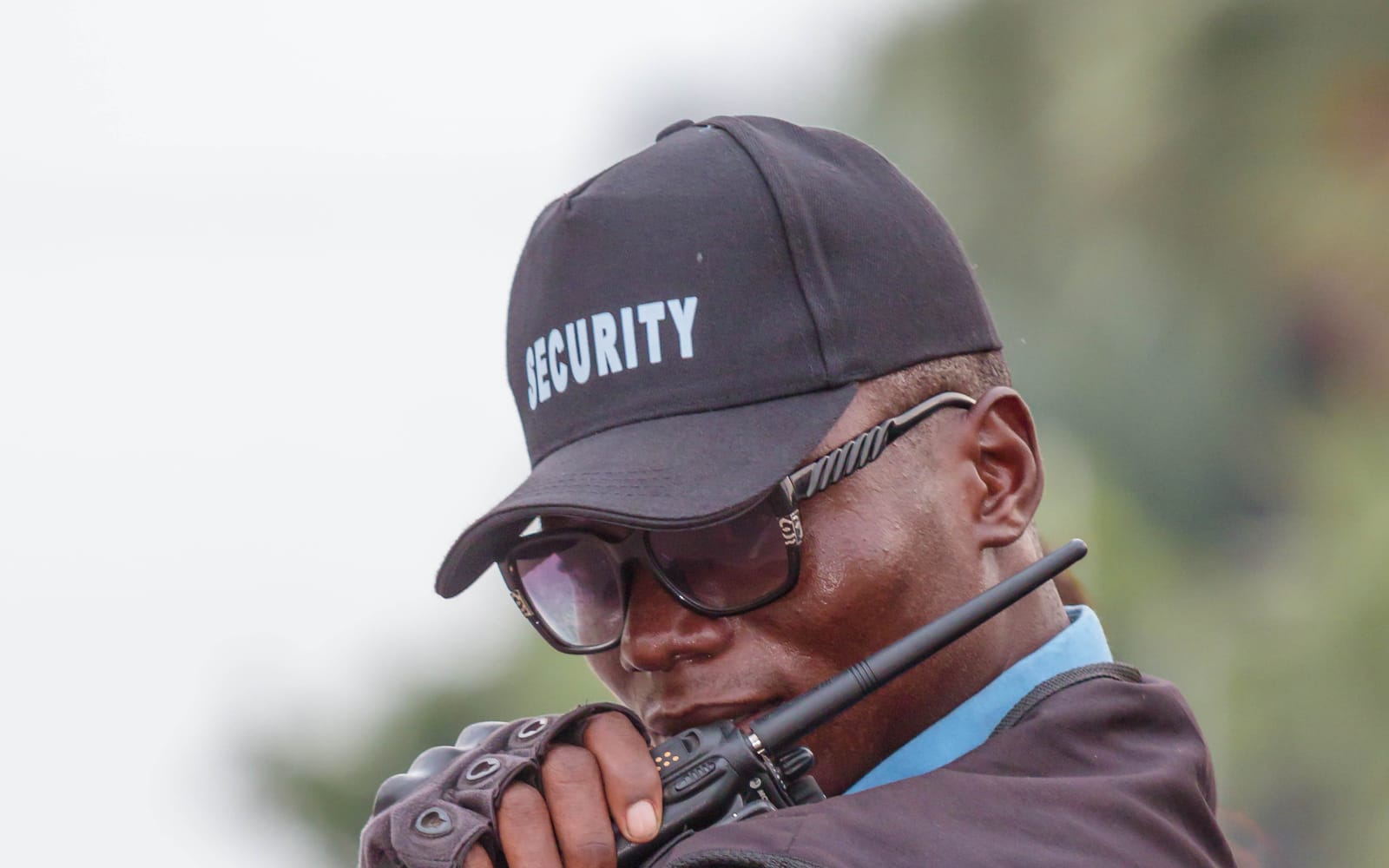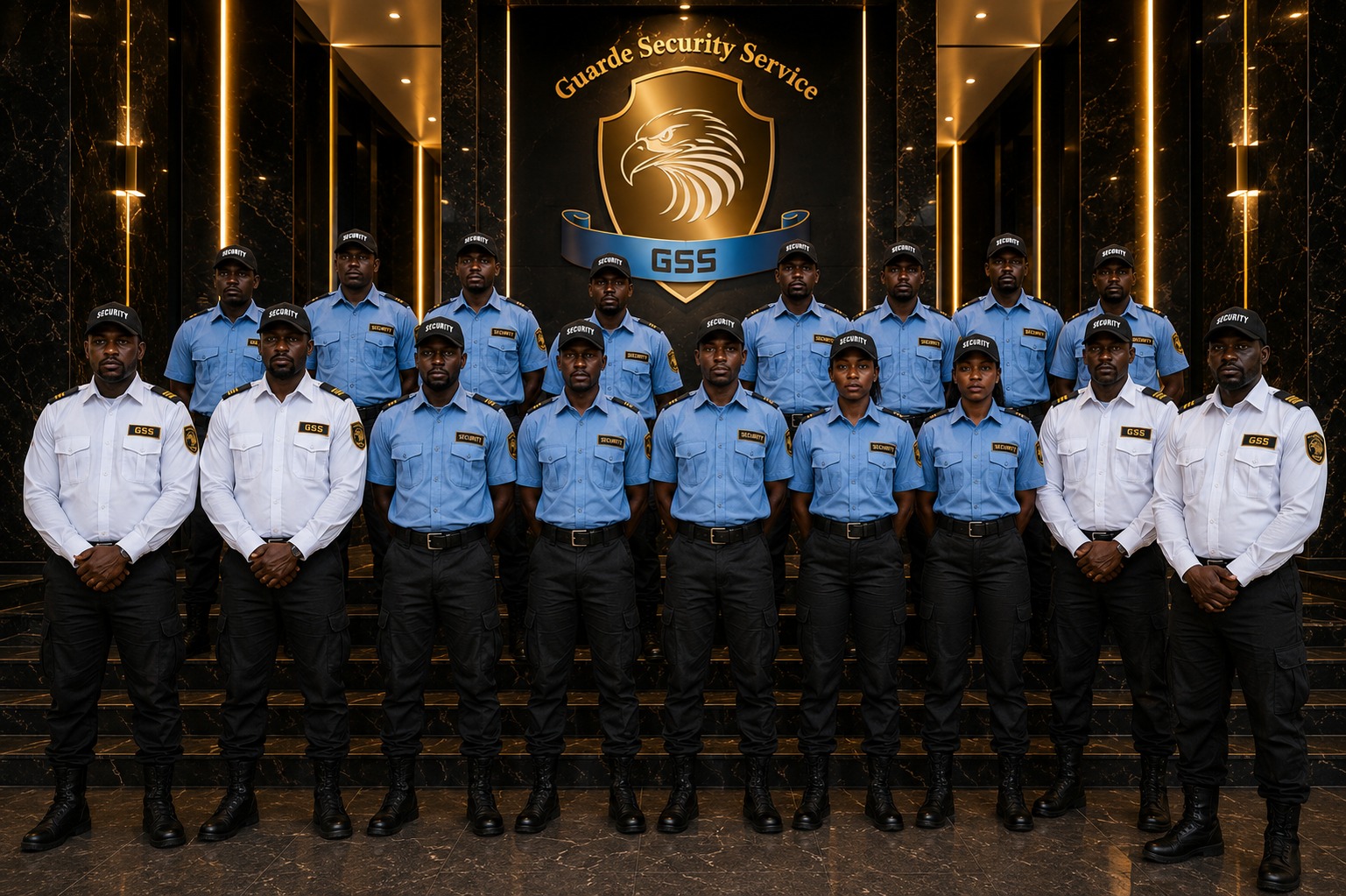
Many think a security agent is improvised. With us, the opposite is true: training precedes the field, and that is what makes the difference on the most demanding sites. Here, concretely, is what a cohort goes through.
Selection
It all starts with an application — CV, cover letter, availability, preferred Kinshasa zone. We invite shortlisted candidates to the headquarters for an interview. This is the moment to:
- Verify identity and declared background.
- Understand real motivation (not just economic need).
- Assess posture, diction, composure in conversation.
- Measure baseline physical condition.
No hiring decision is validated without a second internal opinion. Candidates not retained immediately join a pool consulted at every new cohort opening.
Theory
The theoretical phase runs for several weeks. It covers:
- The DRC legal framework for private security.
- Code of conduct: integrity, discretion, non-discrimination.
- Response and doubt-verification procedures.
- First aid and fire safety.
- Standardised radio communication.
Every module is validated by a written assessment. No automatic passes. Failed modules are retaken with the next cohort, or in a make-up session when the profile warrants it.
Practice
Practice happens on our training ground. Controlled drills, supervised by operational instructors who themselves served as field agents:
- Vehicle and pedestrian access control.
- Respectful but rigorous searches.
- Handling an aggressive visitor.
- Responding to intrusion or attempted intrusion.
- Evacuation and assembly point coordination.
The goal is not to produce mechanical reflexes, but to give agents a decision frame in which they can stay clear-headed.
Assessment
Final assessment combines:
- A written test on legal and code-of-conduct fundamentals.
- A practical test with surprise drills.
- A physical check (endurance, posture, mobility).
- An individual interview with an operations lead.
Certification is granted only on full success. An agent who fails a test may sit it again at the next session. No cohort graduates "by exception".
Assignment
Assignment follows three criteria:
- The agent's profile (results, posture, languages spoken).
- The site's nature and exposure level.
- Geography — an agent living close to the site stays operational longer.
The first mission is always supervised: a field mentor accompanies the new agent through the first week, holds daily check-ins, and signs a 30-day review. If all goes well, the contract is confirmed. Otherwise, we correct — additional training, reassignment, or back to assessment.
And after?
Assignment is not the end. The strongest agents move into post chief, training instructor, or supervision-centre operator roles within two to three years. VIP and escort missions open to profiles who have proven their stability over time.
Training, with us, is not a phase — it is a discipline that never stops.