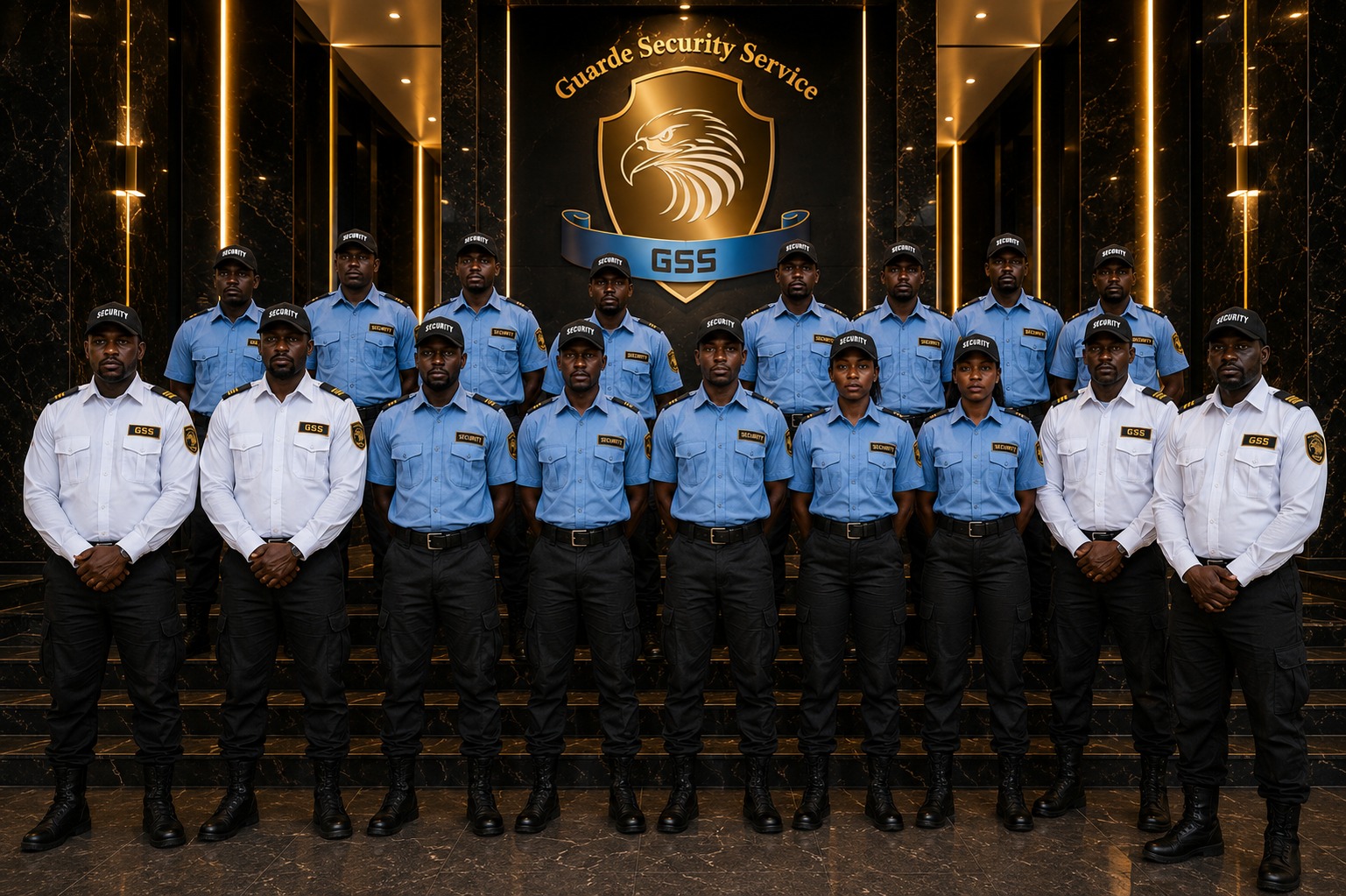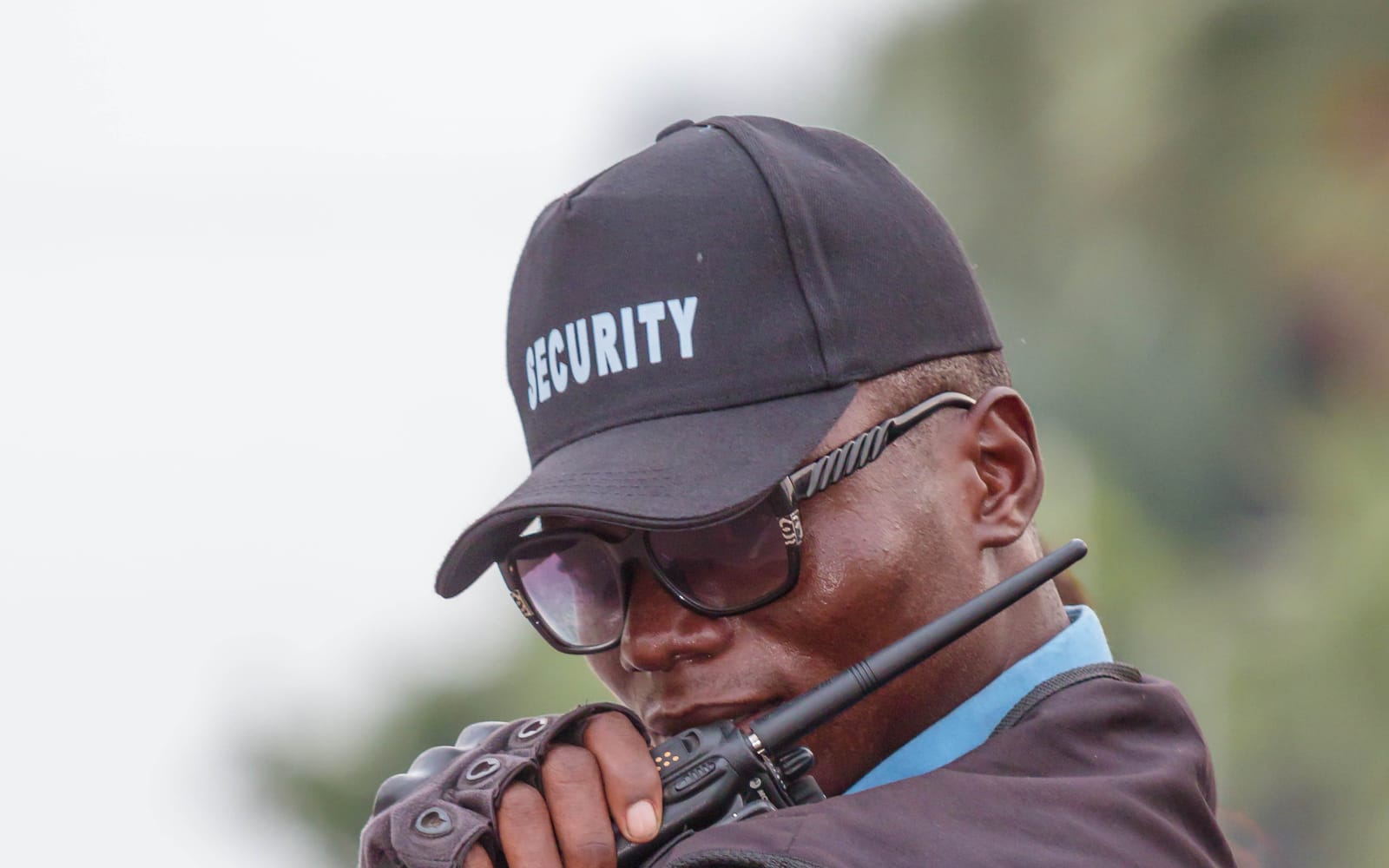
Securing an embassy or diplomatic mission demands a different posture. Not more tense, but more disciplined. Here are the requirements we apply systematically.
The diplomatic brief
Before any deployment, we request a brief with the security desk lead. Not a generic spec sheet: a read on the sensitivities specific to the country represented, the manifestations that may arise, and the diplomatic calendar over the coming months.
That brief stays confidential. It directly shapes headcount, dress, posture, and escalation protocols.
The site audit
The physical audit is conducted in several passes — daytime, night, business hours, off-hours. We map:
- Perimeter blind spots.
- Visitor flows (chancellery, consulate, events).
- Vehicle access points and their opening windows.
- Surroundings (terraces, overlooking neighbouring buildings, traffic axes).
- Lighting and existing camera coverage.
The audit report is an internal document that serves as the reference for the whole contract duration.
Vetting requirements
No agent enters a diplomatic mission without a reinforced vetting:
- Official identity verification.
- Up-to-date criminal record.
- Reference checks on prior employment.
- Validation by our operations director.
- Validation by the client security desk.
This procedure is non-negotiable. It also applies to temporary replacements and weekend relievers.
Coordinating with internal services
A mission almost always has its own internal security team. Our role is not to replace it but to support it. We operate at the surface (filtering, perimeter, reception) while internal security focuses on the protocol interior.
Coordination flows through:
- A dedicated radio channel, walled off from other clients.
- Daily relief points, written and signed.
- Regular joint drills (evacuation, intrusion, health incident).
- A single GSS point of contact, reachable 24/7.
Confidentiality, as the first deliverable
On a diplomatic mission, the first deliverable is not an agent — it is confidentiality. We explicitly train agents to say nothing, carry nothing, photograph nothing. Personal phones remain in storage during shifts.
Daily activity reports are handed in person to the security desk, never sent by unsecured messaging.
What we do not do
Part of the craft is stating what is not within our remit:
- We are not armed agents. We operate in a prevention and deterrence posture.
- We do not perform off-site close protection without a specific contractual frame.
- We do not substitute for law enforcement. In a serious incident, the protocol always escalates to the competent authorities.
What we guarantee
In the end, what a diplomatic mission asks of us, and what we deliver, comes down to three points:
- A calibrated, trained, and stable presence over time.
- Spotless discretion, verified at every relief.
- A chain of command that answers — not a generic call centre.
The rest is daily rigour. And that is what separates a quiet mission from a mission that doubts.